Reflections
I didn’t think I would feel personally exposed over the course of the project, but after reading Solove, Zuboff, the GDPR text, and the Pew findings, I began to see my digital life in a different light. Initially, Part 1 felt emotional and personal while Part 2 felt mostly procedural and Part 3 was analytical in nature. Still, I think this is the first time I am actually stepping back, so the question is, what does this all mean for me?
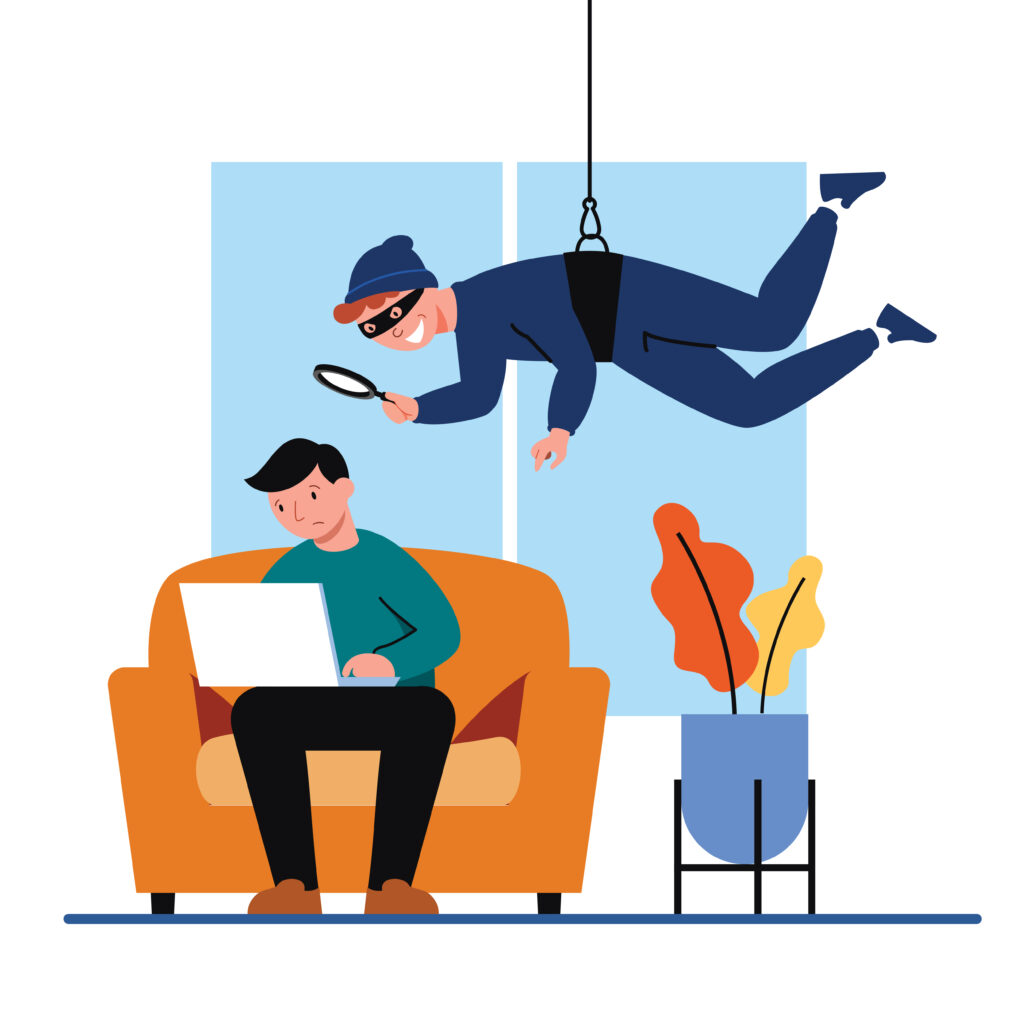
I honestly didn’t think much of privacy before the research. To be sure, I considered it to be one of those vague ‘background concerns’: important, but not vital enough to change most of my daily routines. I was aware that companies monitor us, that capturing data was a standard practice, but I considered it the price I had to pay to participate in modern life. I didn’t give it much thought. It mostly annoyed me. My relationship with the topic changed, however, when I began to research the underlying structures. Solove’s taxonomy helped me see how many different kinds of harm I had experienced but failed to identify—decisional interference, aggregation, secondary use. The strange phenomenon of Instagram making almost accurate suggestions after private conversations to me was random and “harmless.” It was really just a predictor of a bigger system.
It would not be an exaggeration to say that Zuboff’s Position regarding control over people’s behaviors is a resource to be mined was the most profound to me. It got me considering the extent to which my autonomy remains intact if my emotions, losses, routines, and weaknesses could simply be consolidated, predicted, and monetized. I could not stop considering the extent to which I thought I consciously exercised my agency, when in all likelihood, a plethora of my decisions were possibly the result of invisible engineering. I got some value from the GDPR. It illustrated that there’s at least some effort made in an attempt to confront the problem. However, I was reminded of the gaps in legislation, and the result was a rather pessimistic viewpoint. I was made to confront how Pew’s survey illustrated the ambiguity and the sense of impotence that a great many people share and this honestly was heartening to me. The EFF guides were reassuring, and at the same time thought provoking – it is one thing to be a “rote” to a set of instructions, and it is another thing altogether to not have the required time, effort, and technological expertise to “opt-out” from a system that one did not agree to become a part of.
What I learned is this: privacy is not data. It is dignity. It’s not having one’s life quietly rearranged by algorithms. It’s having the space to be human without being commercially tracked. I think this is the biggest shift. I think about privacy not as something I ‘lose’ but as something I deserve. Something worth sustaining. Something worth demanding. I did not expect to come out of this project caring as much as I do now, but here we are. A little more aware, a little more skeptical, and a lot more resistant to the idea that surveillance is the ‘price’ we pay to ‘live’ in the modern world. It shouldn’t be, and I don’t want it to be.